Golf Retro Distressed Style File Review
I have spent years stitching everything from delicate baby bonnets to heavy-duty workwear patches, and I have learned that the difference between a good design and a great finished product often comes down to one thing: context. Today, I am putting the Golf Retro Distressed Style File through its paces before committing it to a real client project. As an experienced designer, my goal isn't just to tell you what this file is, but to analyze how it behaves under the needle and whether it truly delivers on the promise of a vintage aesthetic.
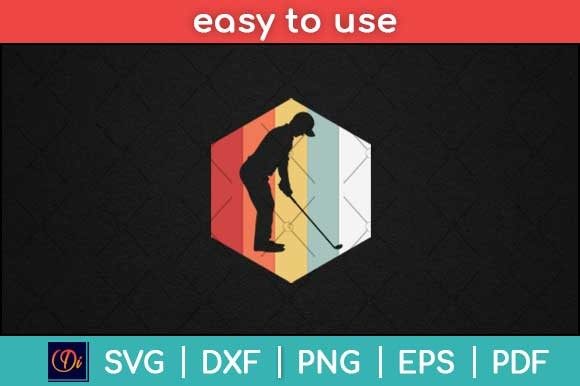
The first impression of the Golf Retro Distressed Style File is immediate and nostalgic. It captures that worn-in, well-loved look that we all associate with classic sports memorabilia. The distressed elements suggest age and character, which can add significant perceived value to a handmade item. However, in the world of machine embroidery, "distressed" is a double-edged sword. While it looks fantastic in a digital mockup, the reality of stitching requires us to consider how those broken lines will translate into thread. Does the design feel authentic, or does it look like a cheap imitation? In my initial assessment, the layout strikes a confident balance, making it perfect for custom apparel, sweatshirts, and tote bags where a rugged, vintage vibe is desired.
From Screen to Stitch: Real-World Application
Let me take you through a specific scenario I recently faced. A local boutique owner approached me needing a unique design for their summer golf tournament merchandise. They wanted something that felt like it had been passed down through generations, not mass-produced in a factory. They were looking at the Golf Retro Distressed Style File as a potential solution. My job was to determine if this design would hold up when stitched onto a 100% cotton polo shirt versus a polyester blend performance tee.
When I tested the design conceptually, I realized that the Golf Retro Distressed Style File shines brightest on medium-to-heavyweight fabrics. The distressed look relies on negative space and texture to sell the effect. On a thin, stretchy fabric like a lightweight t-shirt, the stabilizer required to keep the stitches flat might create a stiff, uncomfortable area that ruins the drape of the garment. Conversely, on a thick canvas tote bag or a sturdy apron, the design anchors beautifully. The visual personality of the file suggests it belongs in environments where durability is key. Think holiday gifts for golf enthusiasts, personalized patches for team jackets, or even nursery decor for a little one whose parents love the game.
However, there are nuances to consider regarding the finish. If you are planning to use this for a small business merchandise line, such as selling embroidered patches or caps, you must be strategic about placement. Curved surfaces like caps present a challenge for any design, but especially one with intricate details. The distortion caused by the curvature can sometimes blur the very "distressed" edges that make the design special. I found that placing the Golf Retro Distressed Style File on the front panel of a cap works, but only if the hoop size allows for enough stability without over-tightening the fabric.
Navigating the Technical Challenges
As an embroidery designer, I always advise clients to test before they commit. This is particularly true for designs that rely on texture, like the Golf Retro Distressed Style File. When dealing with detailed corners and tiny lettering within a distressed motif, stitch density becomes a critical factor. If the fill stitch is too dense, the fabric puckers, and the "worn" look turns into a muddy blob. If it is too sparse, the design lacks impact and may look unfinished.
There are specific areas where this design requires caution. Small hoop sizes are generally not recommended for complex retro styles because the detail can get lost in the stitching process. Similarly, dark fabrics require careful consideration of thread colors. A light-colored distressed outline on a black background can sometimes disappear if the thread count isn't high enough, whereas a dark outline on white might look too harsh and ruin the vintage illusion. I recommend creating a black and white mockup first to ensure the contrast holds up visually before you ever touch a spool of thread.
Furthermore, the longevity of the finished product matters. If you are producing items for frequent washing, such as kitchen towels or baby clothes, you need to ensure the stabilizer used matches the washability of the fabric. A design that looks great immediately might unravel after a few cycles if the underlying structure isn't sound. The Golf Retro Distressed Style File is versatile, but it demands respect for the materials it is applied to. It fits best in commercial embroidery projects where quality control is prioritized, rather than quick, disposable crafts.
Design Judgment and Professional Presentation
Ultimately, the success of a design like this comes down to customer trust and brand consistency. When a buyer sees a perfectly executed Golf Retro Distressed Style File on a sweatshirt, they perceive the maker as skilled and professional. The distressed style evokes emotion and story, which is a powerful tool for Etsy sellers and creative entrepreneurs. It transforms a simple piece of clothing into a statement piece. However, if the execution is sloppy, the effect is reversed, and the product feels cheap.
To maintain that level of professionalism, you must review the stitch density and confirm the hoop size before starting production. Check whether the design works for both personal and commercial projects by verifying your licensing terms. Do not assume that because a file is listed under Print Templates or Graphics that it automatically translates to embroidery without adjustment. Always inspect small details and test it in various thread colors to see how the "distress" interacts with the satin stitch and running stitch elements.
For those looking to expand their craft business, the Golf Retro Distressed Style File offers a strong foundation for creating unique design assets. Whether you are designing a limited edition run of pillows, posters, or phone cases, the retro theme resonates with a wide audience. But remember, the digital file is just the beginning. The magic happens in the finishing touches—the way the thread catches the light, the smoothness of the back, and the overall presentation of the handmade product.
In conclusion, the Golf Retro Distressed Style File is a compelling choice for designers who understand the balance between aesthetics and technical execution. It brings a sense of history and warmth to modern garments, provided you approach it with the right tools and techniques. By testing on scrap fabric, selecting the proper stabilizer, and respecting the limitations of your equipment, you can turn this graphic into a standout finished product that customers will cherish. For the serious embroiderer, it is a valuable addition to the library, ready to elevate your next custom apparel or gift project.